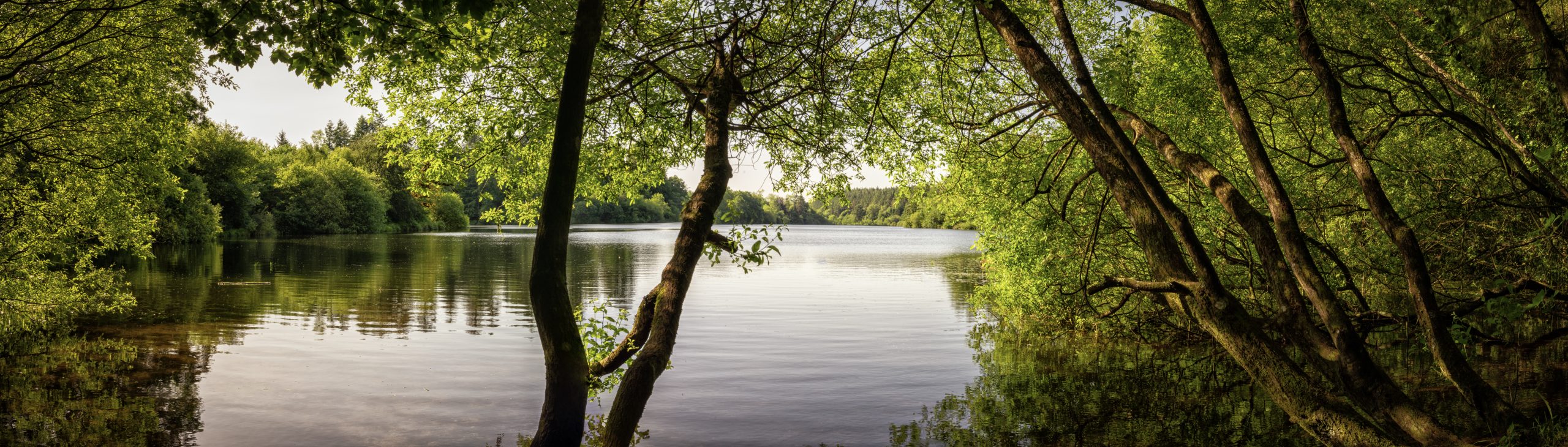

From dramatic granite tors and ancient stone circles to peaceful reservoirs and free-roaming ponies, Dartmoor National Park is one of Devon’s most breathtaking destinations. Whether you’re seeking adventure, history or simply a chance to escape into nature, discover why this remarkable landscape has captivated visitors for generations.
Discover the Wild Heart of Devon
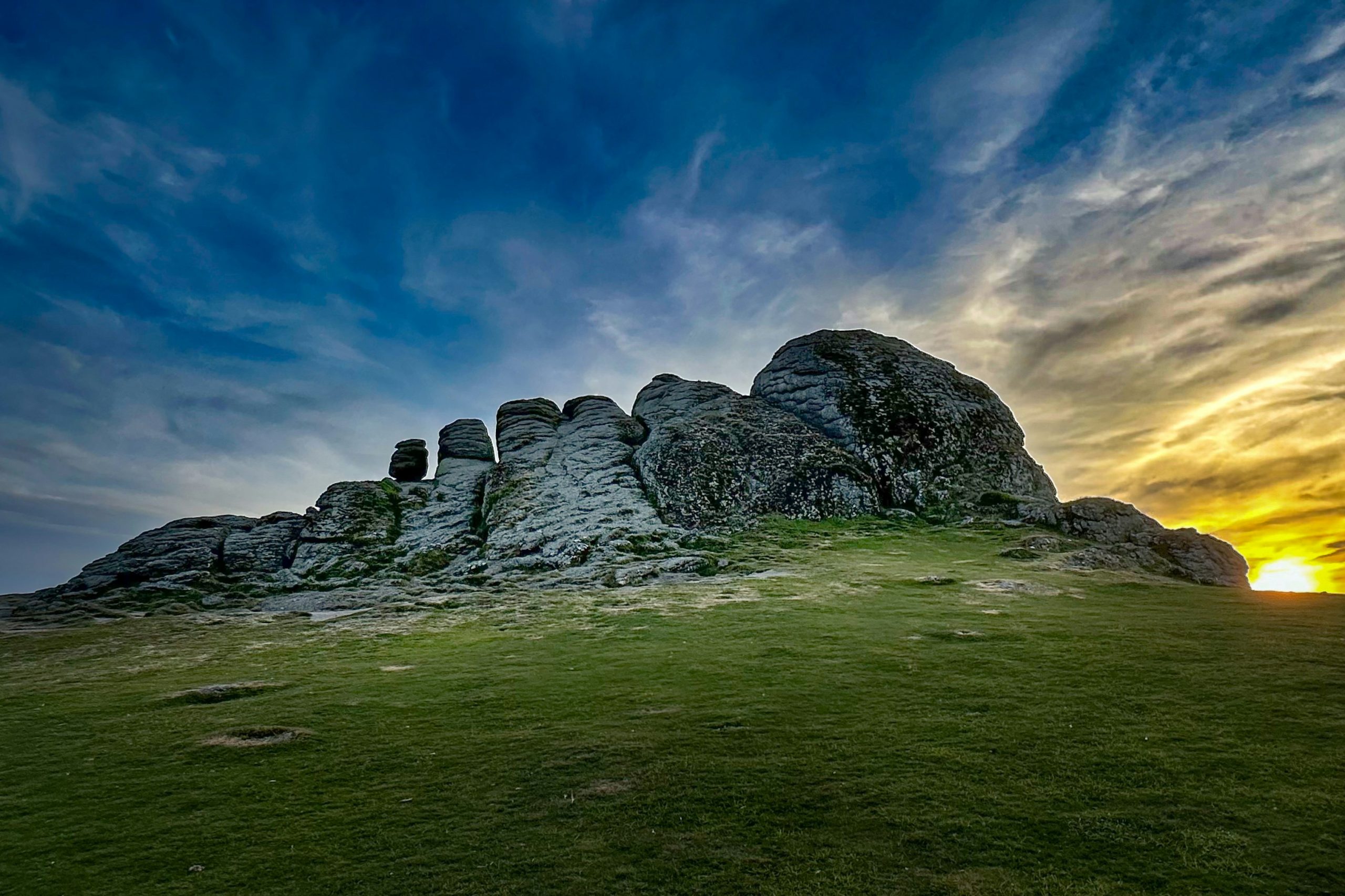
Stretching across nearly 370 square miles, Dartmoor National Park is one of Britain’s last great wildernesses. With its dramatic granite tors, ancient woodlands, open moorland and picturesque villages, Dartmoor offers the perfect escape from everyday life. Whether you’re looking for breathtaking walks, family adventures or simply somewhere to relax and enjoy spectacular scenery, there’s something here for everyone.
Far more than just a place to visit, Dartmoor is somewhere to slow down and reconnect with nature. Every winding road, hidden valley and panoramic viewpoint reveals another reason why this extraordinary landscape is loved by walkers, cyclists, photographers and outdoor enthusiasts alike.
Dartmoor’s famous granite tors were formed around 280 million years ago, creating one of the UK’s most distinctive and recognisable landscapes. Over time, wind, rain and ice have sculpted these dramatic rock formations into the striking landmarks visitors see today.
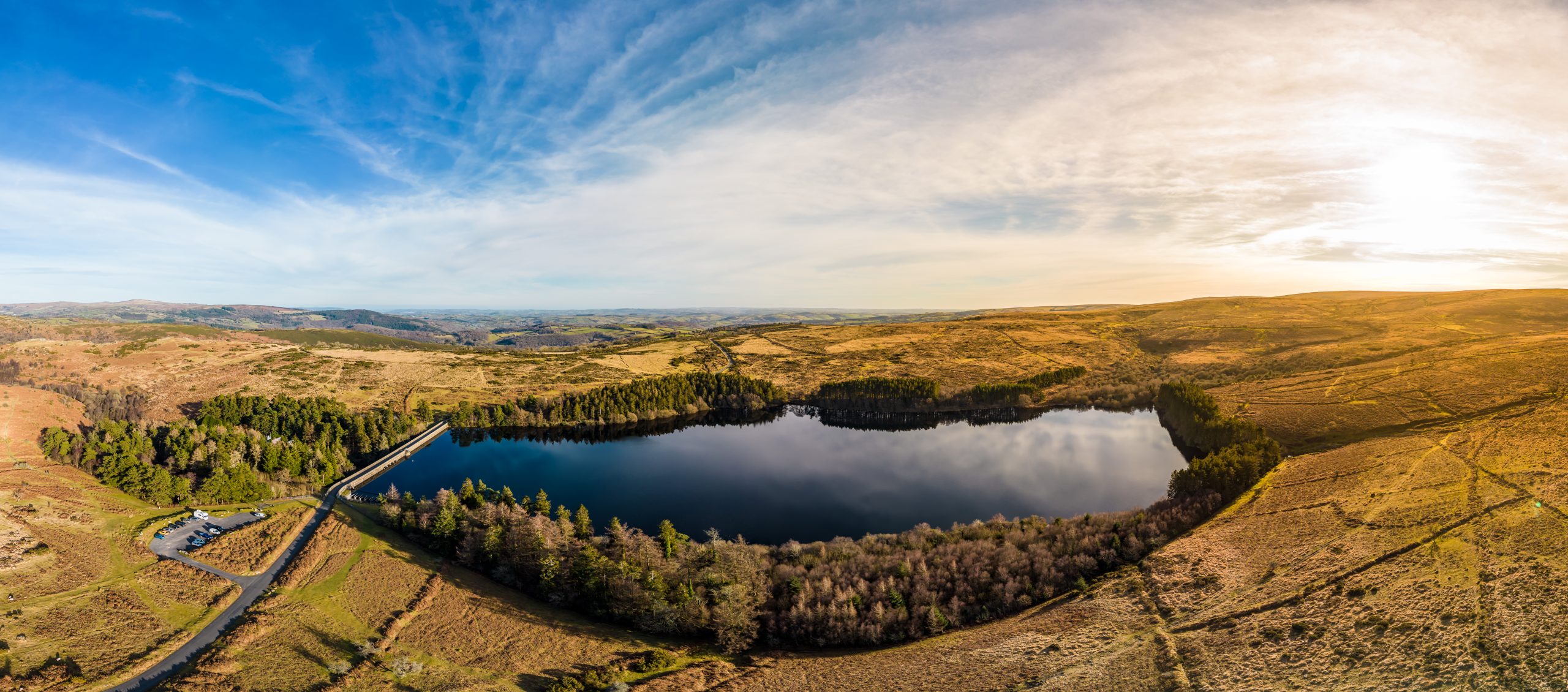
Beyond the tors, Dartmoor is home to rolling moorland, deep river valleys, ancient oak woodlands, fast-flowing rivers and peaceful reservoirs. Beautiful locations such as Burrator Reservoir, Meldon Reservoir and Venford Reservoir provide fantastic walking routes, picnic spots and opportunities to enjoy the tranquillity of the National Park.
No matter where you explore, Dartmoor’s ever-changing landscape offers breathtaking views throughout the year, from carpets of purple heather in late summer to frost-covered tors during winter mornings.
Famous for its beautiful estuary, sandy beaches and relaxed coastal atmosphere, Salcombe is one of South Devon’s most popular destinations. Colourful sailing boats, waterfront cafés and boutique shops give the town a distinctive charm that attracts visitors throughout the year.
Whether you’re enjoying fresh seafood by the harbour, relaxing on nearby beaches or exploring the estuary by paddleboard or boat, Salcombe offers the perfect blend of natural beauty and seaside elegance.
Few places in Britain have a history quite as fascinating as Dartmoor. People have lived here for thousands of years, leaving behind an incredible collection of Bronze Age stone circles, standing stones, burial cairns and ancient settlements that can still be explored today.
Dartmoor is also home to charming market towns and historic villages. Tavistock, a UNESCO World Heritage town, is known for its historic market, independent shops and rich mining heritage. Ashburton has long been a favourite for antique hunters and food lovers, while Moretonhampstead and Chagford provide welcoming cafés, traditional pubs and excellent bases for exploring the moor.
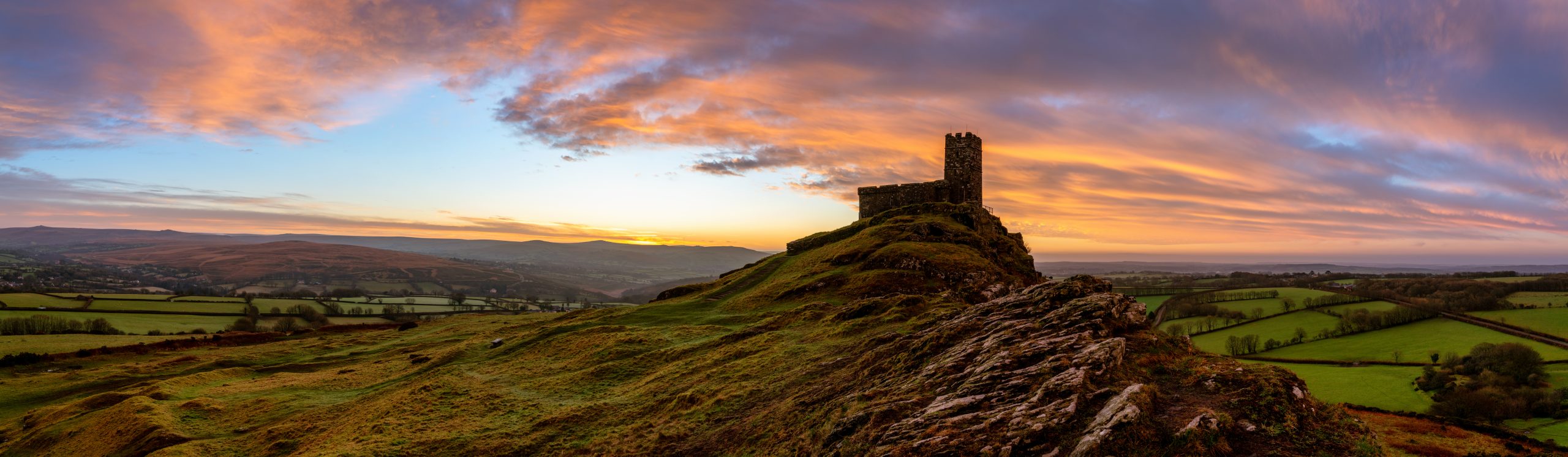
One of Dartmoor’s most iconic landmarks is St Michael de Rupe Church at Brentor. Perched dramatically on top of a volcanic outcrop, this tiny church offers spectacular panoramic views and has become one of Devon’s most photographed locations.
Whether you’re visiting for an afternoon or a long weekend, Dartmoor offers activities for every age and ability.
With hundreds of miles of footpaths, it’s one of the best places in the South West for walking, from gentle riverside strolls to challenging hikes across the open moor. Cyclists can enjoy quiet country lanes, scenic climbs and dedicated cycling routes that weave through some of Devon’s most beautiful countryside.
If you’re looking for something more adventurous, Dartmoor is also popular for horse riding, wild swimming, rock climbing, kayaking on selected waters and even letterboxing—a unique outdoor treasure hunt that originated on Dartmoor over 150 years ago.
Whatever your pace, there’s always another viewpoint, hidden valley or historic landmark waiting to be discovered.

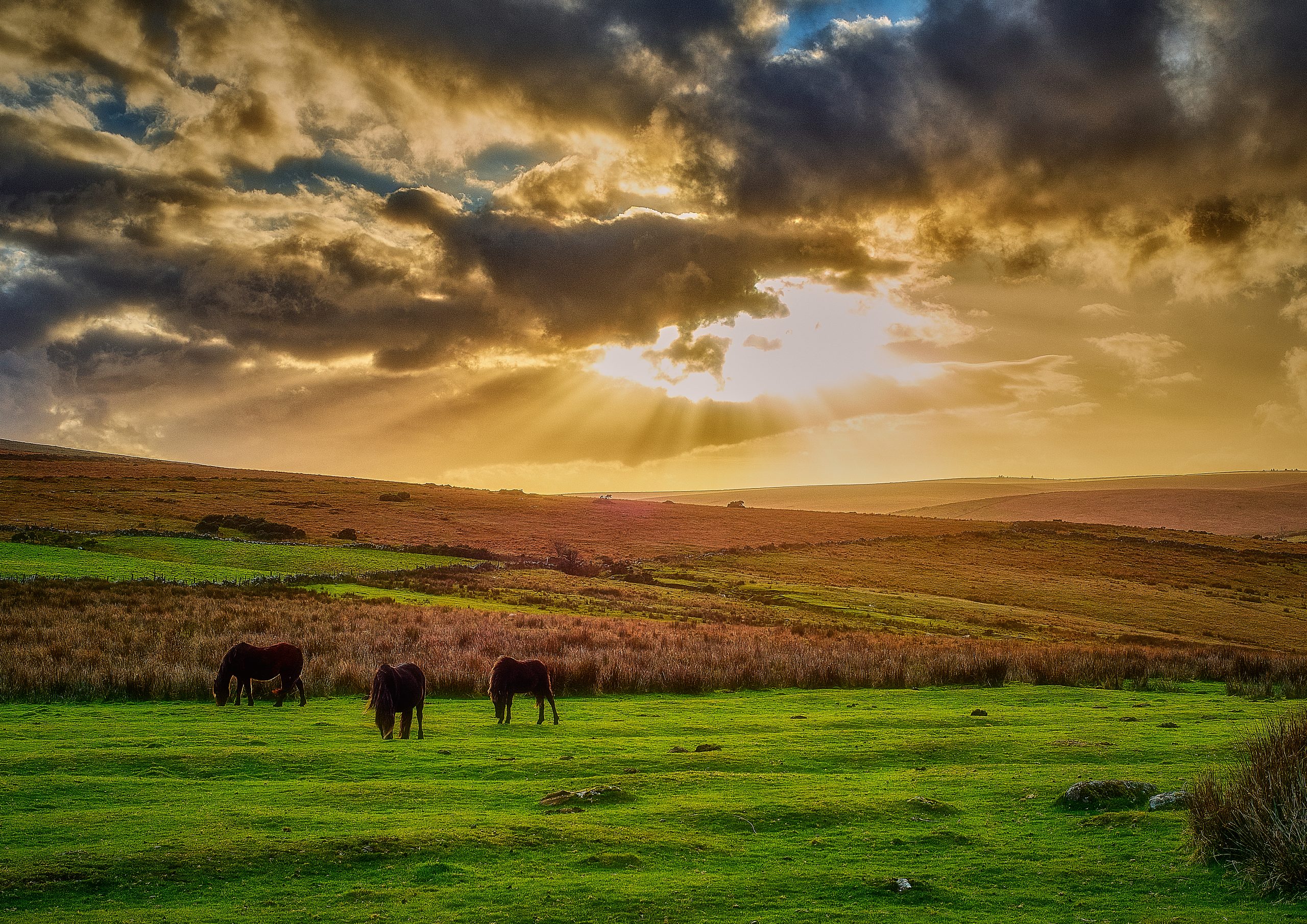
No visit to Dartmoor would be complete without spotting the iconic Dartmoor ponies. These hardy, free-roaming animals have grazed the moor for centuries and are one of the National Park’s most recognisable symbols. Seeing them wandering freely across the landscape is an unforgettable experience.
The moor is also home to an abundance of wildlife, including sheep, highland cattle, birds of prey, buzzards, skylarks and countless other species. If you’re lucky, you may even catch sight of deer in the quieter corners of the National Park.
While the animals are accustomed to people, they’re still wild or semi-wild, so it’s important to admire them from a respectful distance and never feed them.
Whether you’re visiting for an afternoon or a long weekend, Dartmoor offers activities for every age and ability.
With hundreds of miles of footpaths, it’s one of the best places in the South West for walking, from gentle riverside strolls to challenging hikes across the open moor. Cyclists can enjoy quiet country lanes, scenic climbs and dedicated cycling routes that weave through some of Devon’s most beautiful countryside.
If you’re looking for something more adventurous, Dartmoor is also popular for horse riding, wild swimming, rock climbing, kayaking on selected waters and even letterboxing—a unique outdoor treasure hunt that originated on Dartmoor over 150 years ago.